Launching our vintage shop.
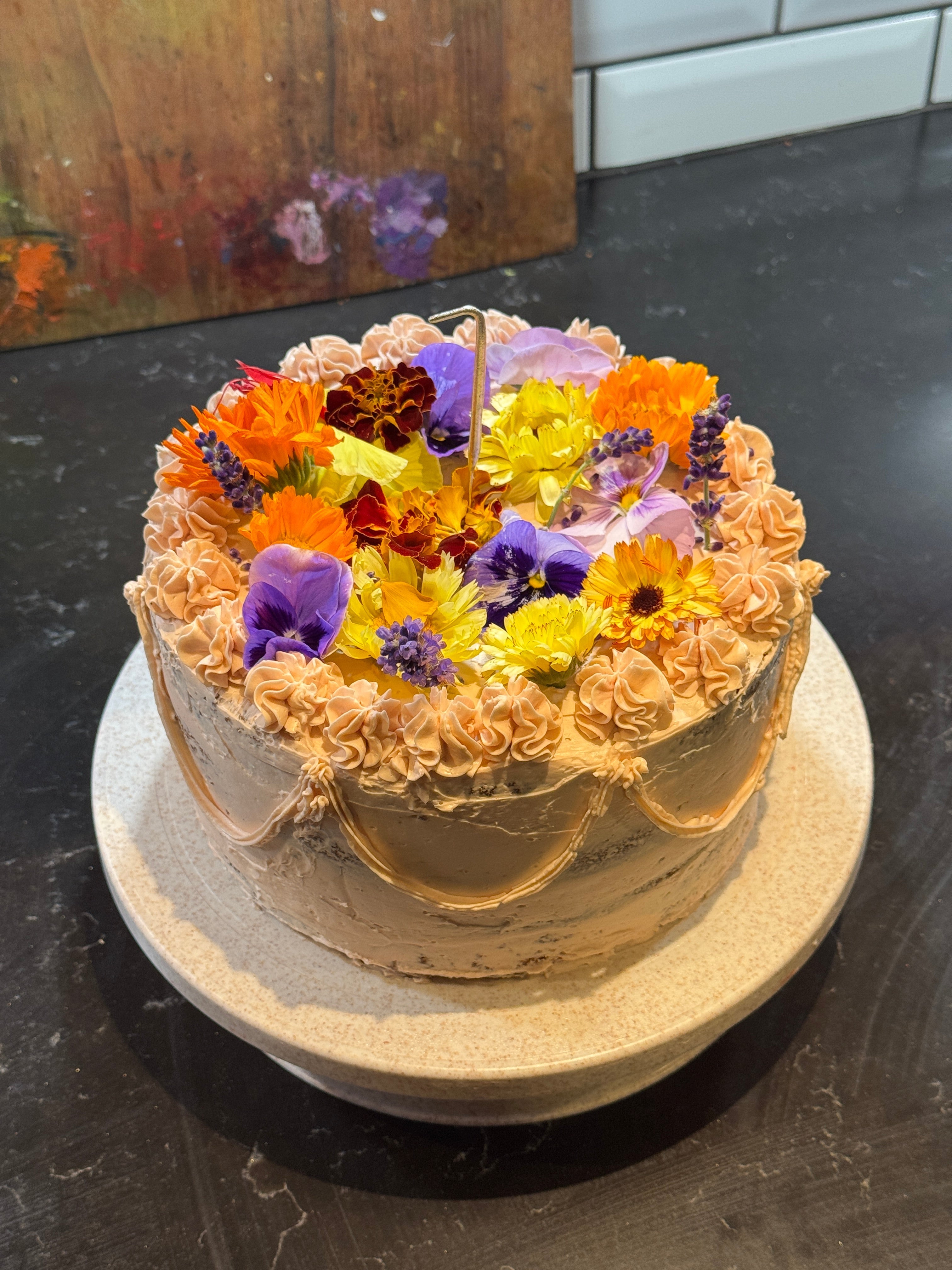
Today we launch a collection of vintage decorative homewares. It was only a matter of time really, as I’ve been obsessed with antique and vintage stuff for decades. Every interior looks better with a smattering of vintage; my decorative style involves mixing bits from different centuries.
I love the layering of one period onto another: a contemporary print with an ancient oil, a Jorge Ferrari butterfly chair dressed with an embroidered Georgian cushion.
Anyway, as you may know, I bought and sold vintage homewares for many years for our business Pedlars. Tens of thousands of items passed through my hands. Literally.
And now I’m back. Today we launch a small collection of lovely British vintage; pond yachts, jugs, pencils and framed postcards are here.
Now, this makes me think about things that last forever and that brings me neatly to the subject in hand: British manufacturing.
First, two recent books that are worth reading.
Last week I wrote about James Fox’s luminous and tender Craftland, which is an elegant eulogy to some of Britain’s dying crafts, from dry stone wallers to chair makers, tanners to cutlers.
And perhaps less literary, but equally important, is Patrick Grant’s Less which ploughs a similar furrow. Patrick is a friend, and I have the very greatest admiration for him because he not only puts his money where his mouth is through Community Clothing, but uses his celebrity as a soap box to preach on the importance of making things in this country.

Second.
This is something that has long mattered to me. I don’t know exactly why, but it’s to do with my particular interest in clothes and homewares. This all started when I was very young and cared about what I wore and the look of the stuff that surrounded me in ways that confounded and exasperated my parents.
I think that if you have a clear aesthetic vision -an interest in beauty- then you are naturally drawn to investigate how and where things are made. Provenance may not be of interest to begin with, but it’s a natural part of your enquiry into the how and why of what you choose to own.
Falling in love with France in my twenties deepened this interest. Here was a place that really cared where things were grown or manufactured. And despite all of the infuriating bureaucracy and strikes and roadblocks, France was not going to give this up without a fight.
It’s impossible to visit France and ignore this deep interest in provenance. To the French, where things come from matters. This is as much about identity, politics and quality of life as it is about the goods themselves.
Anyway, in the late 1990s I created a series of Pedlars catalogues that contained only things that were made in the United Kingdom; clocks and jumpers, string and lamps. It worked pretty well, and we repeated it several times.
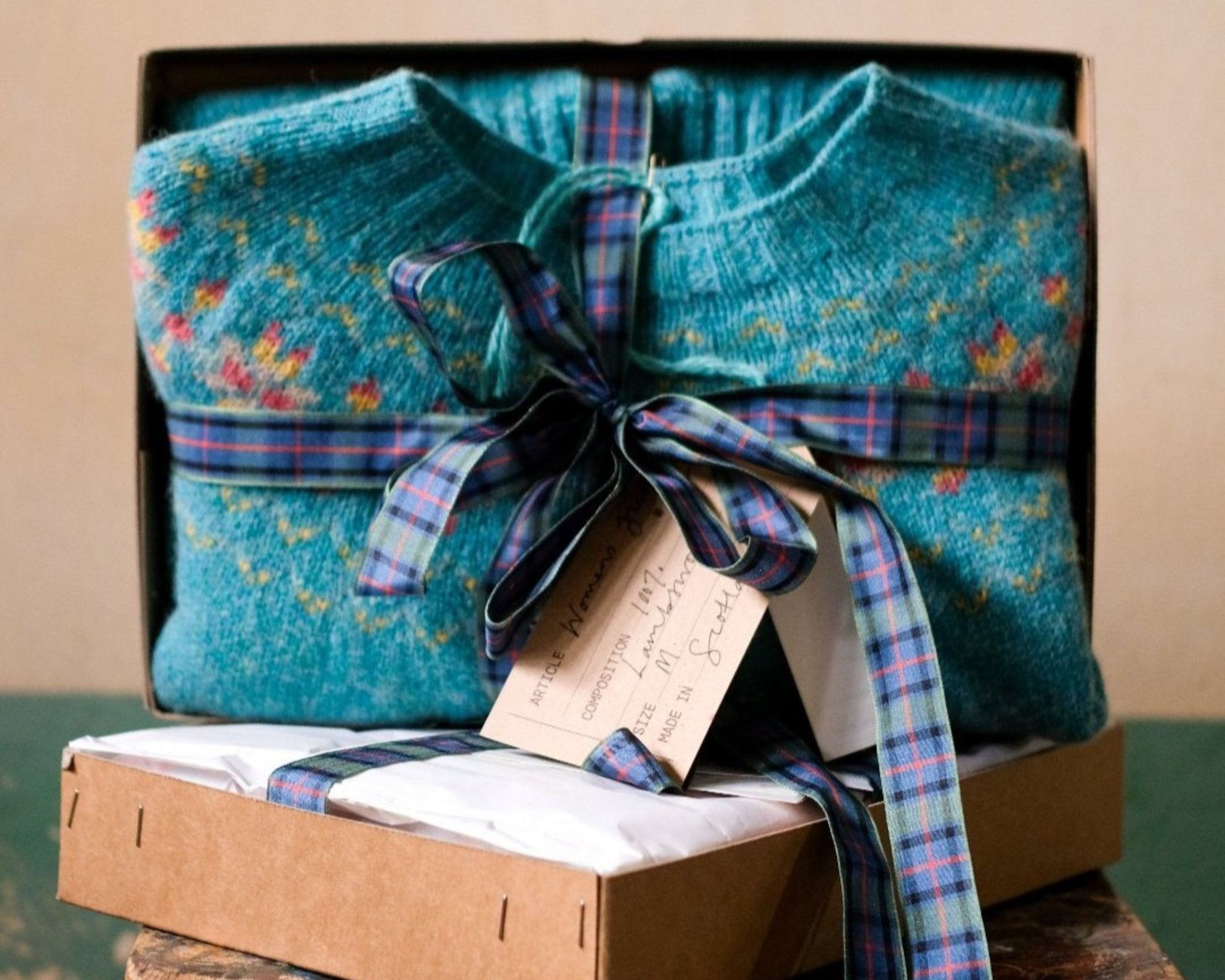
And here I am today, not only passionate, but now a proud co-owner of Gladstone / Hellen, a one-year-old company that is making clothes and homewares solely in Great Britain.
Why this? Why Now?
In an abstract sense, because where things are made matters in ways that are intangible. In ways that are cultural and that are deep in our national psyche. I mean, all of our friends called Cooper or Smith, Fletcher or Carter (and on and on and on) got their names from their professions. Entire cities’ physical and cultural identities are based on the things they made; their football teams are named for these professions. If we ignore these parts of our identity then we lose something vital, something of ourselves.
But in a more concrete way, making things, bringing objects to life, gives us purpose in ways that are meaningful. I mean, there is more reward in making a chair than working in a call or fulfilment centre; there just is.
But we don’t make many chairs now because we all expect things to be cheap and that doesn’t chime with notions of paying people properly and of certified wood, clean and safe workshops, paid maternity leave, 28 days paid holiday.
So, we buy shit from H&M Home (a logical conclusion of the proliferation of fast fashion is the growth of fast homeware).
And that chair costs a quarter of the price (with twice the margin) of one made in Britain and it looks pretty much the same. But it isn’t the same and not just because someone wasn’t paid much to make it or the wood wasn’t grown in the UK. It isn’t as good because it has no soul, no history, no deep craft in its bones.
And you definitely won’t be passing it on to your grandchildren because it will have fallen apart long before that day arrives
Now, one thing I do know is that in Britain poverty is very real and currently inescapable for many, and that supermarkets and their ilk do a spectacular job of keeping food prices down. This does come at the expense of many suppliers and the staff on shop floors, but British food costs 8% less than the EU average, (source: BBC) and if you are on a very tight budget, that’s helpful.
And I also understand that other countries make things we can’t compete with; China for iPhones, Tolix in France for metal furniture, Italy for olive oil.
But my point is different. If you can afford to buy something made in Great Britain, you should because it’ll have an impact on our culture, our raison d’etre, our identity. This is a great luxury, sure, but it’s more than that; buying something that’s made here is contributing positively to the soul and spirit, the history and psyche of the people that made it and the place it was made and that, in turn, will reward you every day as you use the object.
Finally, today, to quality. This is not to say that everything that’s made in Britain is fantastic, because patently it isn’t. But a great deal of it is and there is great reward in investigating makers and manufacturers and finding something that really sings to you.
Best
Charlie.